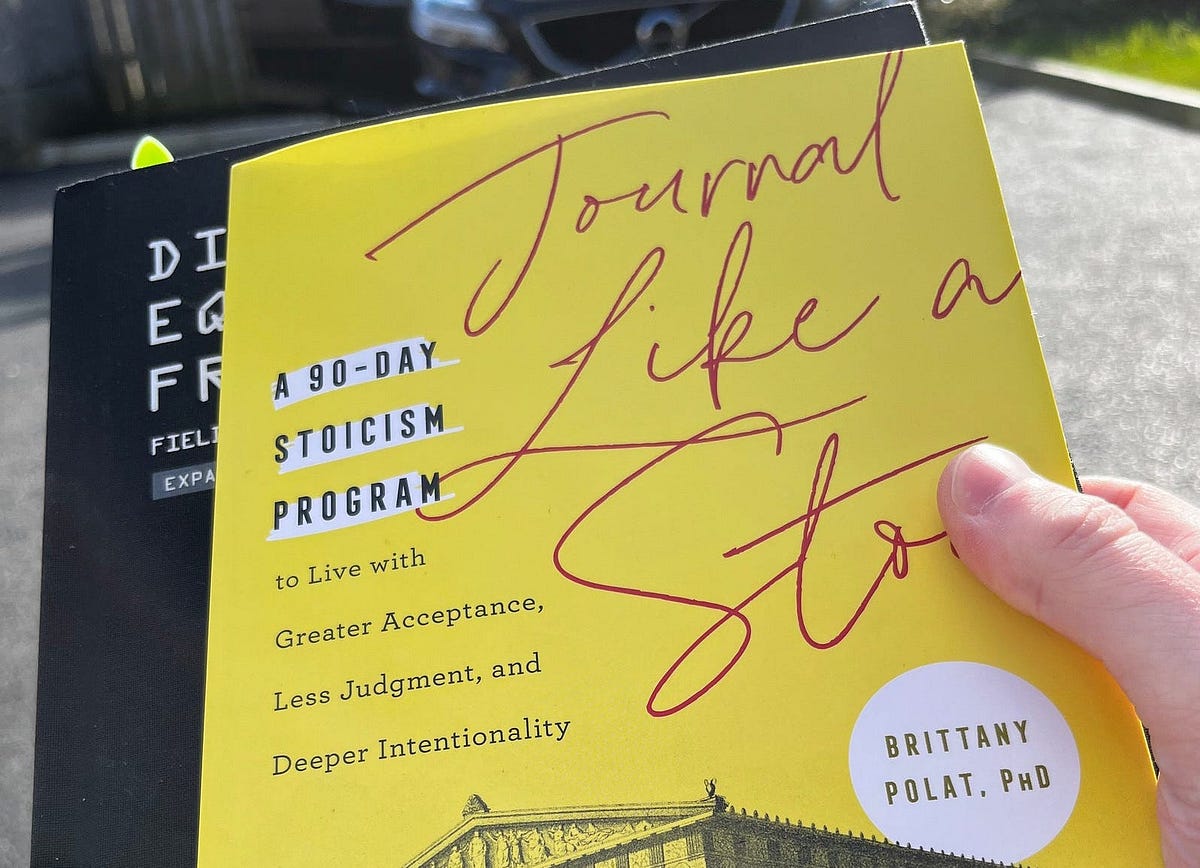

I've been waiting for this lovely new book by Brittany Polat to arrive for a couple of months, and it's finally here. I'm so pleased to finally be able to read it and offer you all a review:
|
In this tumultuous and unpredictable world, perhaps we need both the Stoa and the cross. Jesus & Stoicism: The Parallel Sayings, offers the perennial wisdom of both traditions side by side, highlighting the many intriguing similarities between them.
I've been waiting for this lovely new book by Brittany Polat to arrive for a couple of months, and it's finally here. I'm so pleased to finally be able to read it and offer you all a review:
0 Comments
In an interview with the World Ethical Data Forum, Julian Assange warned that the generation being born now is the last to be free. The message is quite disturbing. After all, it does seem as though we are headed that way, that long shadows are falling. "Look back over the past with its changing empires that rose and fell, and you can forsee the future too," Marcus Aureluis declares. Is this period of time similar to the fall of Rome? Maybe just the end of the Republic?
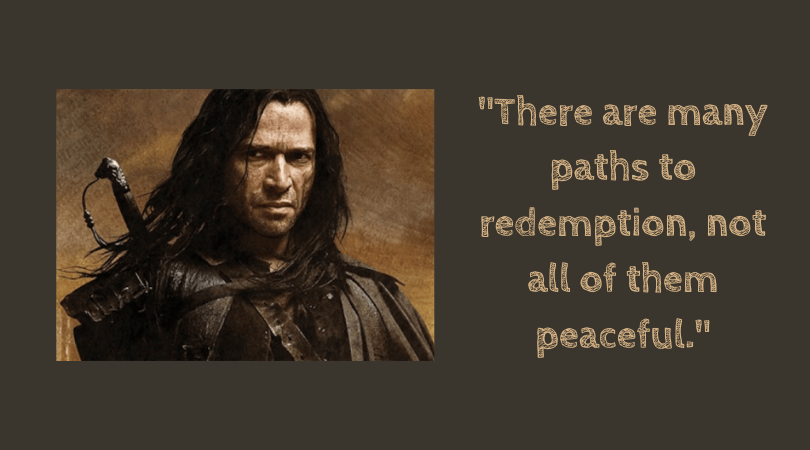
Anxiety seems to be at the root of the modern condition. Besides the stress that we deal with in our private lives, there are always political and geopolitical concerns (like the above) that stress us as well. Given all of this, I actually don't think that anxiety is by any means an irrational response. It's only when our response is disproportionate to the threat or when anxiety starts to take over our lives that it really becomes a problem. I can honestly say that with each new child that we have added to our family, my own anxiety has increased. After all, I have my family's wellbeing to look after, not just my own. Courage however, is a decision. It's how we respond to anxiety provoking thoughts that we have control over, not the external situation. Let me share with you the 2 best techniques that I use to overcome anxiety. While doing research for this post, I came across the unusual phrase "A lasting peace, through the judicious use of the spear." This phrase perfectly sums up the salient moral message in Solomon Kane, an independent Sword and Sorcery film about a Puritan vigilante sworn to fight evil in 16th Century England. Far from being another film full of gratuitous violence, Solomon Kane explores a rather profound ethical question: when does adherence to nonviolence trump the moral and personal obligation to protect your life, or the lives of your family, from immanent harm? Solomon Kane offers an unexpected axiom on the paradox of nonviolent philosophy. Pacifism is undoubtedly a philosophy arising from a selfless desire to not harm others. Pacifists view all violence as a moral failing. But paradoxically, the failure to protect others from immanent rape, murder, etc, when in a position to do so, leads to them being harmed. Under certain circumstances, nonviolence is actually a selfish philosophy, rather than a selfless philosophy. In a world where evil people rape and murder, forceful opposition to violence is not only pragmatic, it necessary and moral. The most pragmatic and ethical position is nonaggression, rather than nonviolence. Natural law theory is a philosophical tradition which dates back to ancient times. You should care about natural law because it is part of our Western cultural heritage, it can make your life easier, and on a personal level, following natural law allows us to become better human beings.
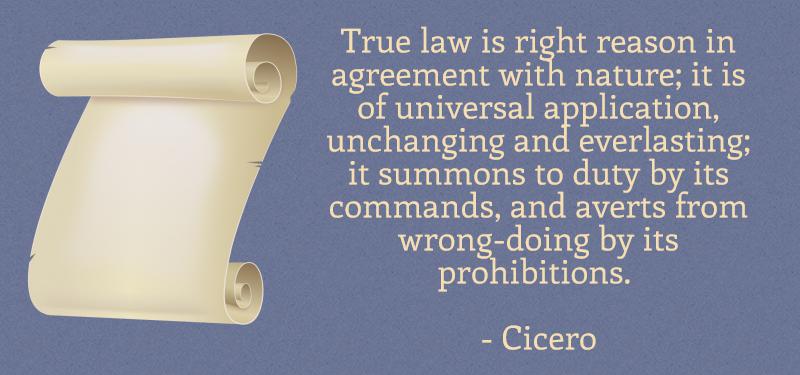
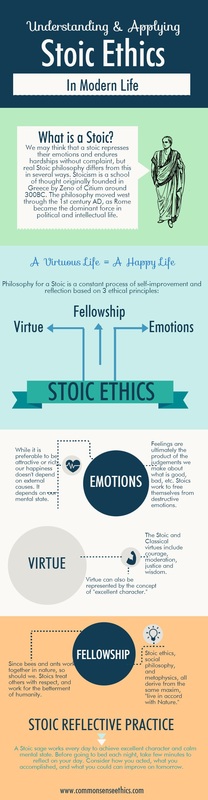
Natural law is a common understanding of human nature and ethics. Humans are part of nature, so we are capable of perceiving and living by natural rules, and applying those rules in a universal way. Universally self-explanatory principles of equality, sovereignty, and dignity should guide our interactions with others. Natural law based philosophy provides the foundation for natural rights or human rights, which undergird the Declaration of Independence, Constitution, and English and American systems of jurisprudence. Natural Law theories can be found in Greek, Roman, and ancient Buddhist texts. Plato, Aristotle, the Stoics, Cicero, Thomas Aquinas, Bacon, Grotius, Spinoza, Locke, Hobbes, and many others argued for various forms of natural law. Natural Law philosophy should not be confused with the scientific laws of physics or biology. Human nature in the natural law sense, means that each of us has an innate tendency to behave in ways that are good for ourselves and good for others. We share common values and an understanding of ethics which derives from our nature. This is one of the things that makes us human. We also have the free will to choose how to behave. Corruption represents a turning away from our true nature as humans. Things can go haywire if our understanding and feelings are corrupted by our upbringing, culture, and negative socialization. The highest ideal is to unite your conduct with the good in nature; the interconnectedness and preciousness of life, and respect for yourself and others. |
Don't Miss A Post!Sign up to receive updates and special announcements! Thank You For Subscribing to Common Sense Ethics!You have successfully joined my email list. About Me:Thank you for your interest in Common Sense Ethics! I'm Leah, a librarian and author with a background in history and philosophy.
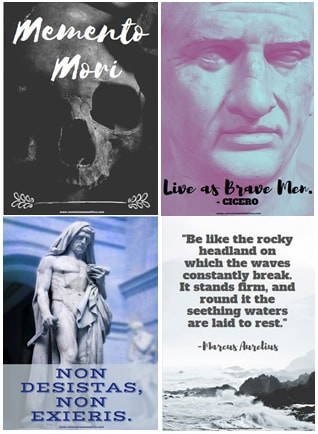
Most Popular Blog Posts:3 Unpopular (But Likely Correct) Opinions According to Cicero Download My Stoic Printables For Tough Days:
Watch Common Sense Ethics On YouTube:
|