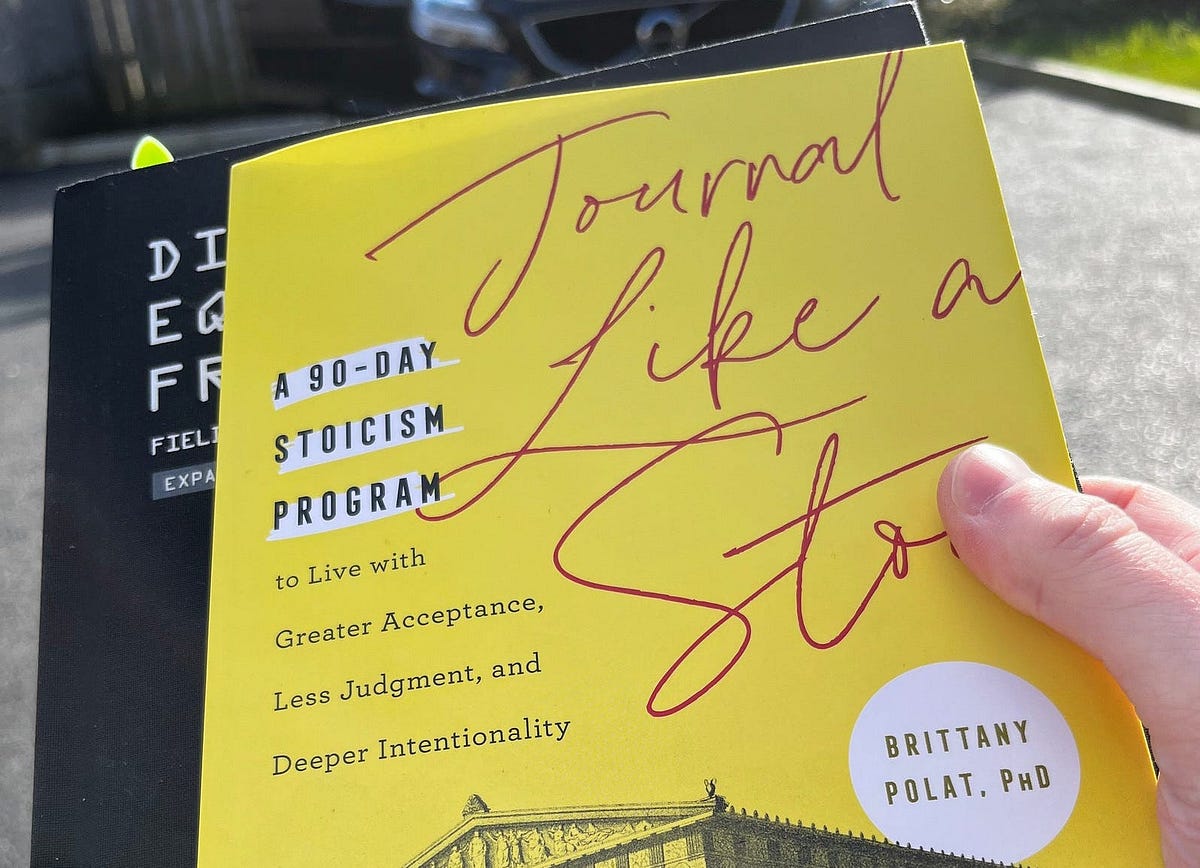

I've been waiting for this lovely new book by Brittany Polat to arrive for a couple of months, and it's finally here. I'm so pleased to finally be able to read it and offer you all a review:
|
In this tumultuous and unpredictable world, perhaps we need both the Stoa and the cross. Jesus & Stoicism: The Parallel Sayings, offers the perennial wisdom of both traditions side by side, highlighting the many intriguing similarities between them.
I've been waiting for this lovely new book by Brittany Polat to arrive for a couple of months, and it's finally here. I'm so pleased to finally be able to read it and offer you all a review:
0 Comments
As we approach the Winter Solstice and Christmas Day, my thoughts often turn to the beauty and majesty of the natural world.
The last several years have seen a spate of books published about living a life closer to nature. They range in topic from how spending time in nature improves our health, enriches our lives and our children's lives, provides us with a sense of beauty and transcendence, deepens faith, improves creativity, and much more. I have created a list of my favorite books from this genre that I hope you enjoy this holiday season: Parenting really is the ultimate time management challenge. The reason is simple. Once you become a parent, you feel you now have that responsibility, plus everything you were trying to do or maintain from before you had children. Time to Parent shows us how to work smarter not harder when it comes to what we do with our time.
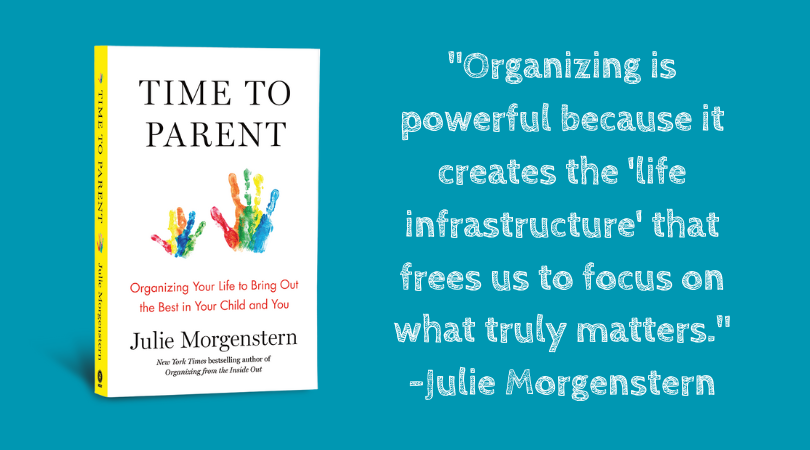
In last month's post, I described how I had to take a hiatus from blogging during 2014-2015 around the birth of my first child. I simply couldn't figure out how to get enough time to work on the blog. As I learned over the years, the good news is that you can still manage your time well once you have children, you just have to become much more strategic about it, and that is what Time to Parent is about. The book, by professional organizer and productivity consultant Julie Morgenstern, is a blessing for parents, and I highly recommend it. Time to Parent is unlike anything I have read before, as Morgenstern organizes life as a parent into two main categories, "Raising a Human Being," and "Being a Human Being," each with four essential quadrants which represent how we should be spending our time. Parents are often stressed about the busyness in their lives and how to meet their child’s needs along with all the other demands of life. I honestly think this book helps to take much of that stress away. Read on for my full review: I just finished taking an in-depth 12 week parenting course, Peaceful Parent, Happy Kids, that I have really benefited from, and I'd like to share more about it with you. Laura Markham, PhD, is a clinical psychologist, and founder of the Aha! Parenting website, based her approach "Peaceful Parenting." As a longtime reader of Dr. Laura's website, I'm very excited to be able to review both the course and Dr. Laura's book!
The Peaceful Parent, Happy Kids course teaches parents to coach and connect with their children while better regulating their own (parental) emotions. Both course and book provide many strategies on how to have a more positive, cooperative relationship with your children. The course offers detailed strategies and information, plus weekly audio lectures, daily meditations to help rewire your brain, and homework. Interestingly, this parenting philosophy is very compatible with Stoicism, which also seeks better emotional regulation. In this post, I've written a full review of the course including key concepts, who will benefit from it, plus benefits and drawbacks of this parenting approach. If you're interested, but not enough to commit to a 12 week course, the key concepts are all addressed in Dr. Laura's book, Peaceful Parent, Happy Kids: How to Stop Yelling and Start Connecting available on Amazon.* I’m always on the lookout for new information that will help me improve myself or allow me to give my kids the best childhood possible. That means is that I’ve read a good deal of parenting books!
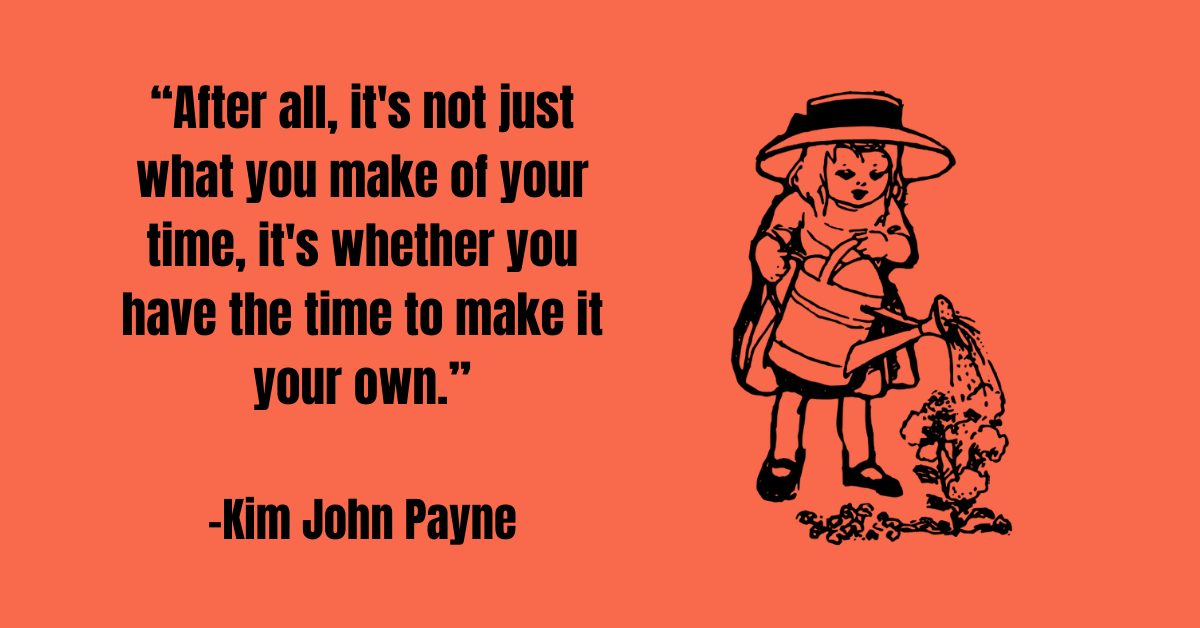
I just finished reading Simplicity Parenting by Waldorf educator Kim John Payne. And well folks, it’s a keeper! In a nutshell, this book is for any parent who has watched their dreams for their kids slipping away amongst the overwhelming pace and expectations of family life today. I was aware of this book for a while after watching some of Payne’s YouTube videos. Why the book never actively made its way onto my reading list is anybody’s guess. I think I had a baby and it fell off my radar! But fate intervened when I saw it for $1 at my library book sale. I’ll do my best to summarize Simplicity Parenting for you below, and I highly recommend buying it or getting it at your local library.
Tranquility Parenting: A Guide to Staying Calm, Mindful and Engaged, a just released book by Brittany Polat, offers lots of practical help and straightforward ways to overcome parenting challenges by implementing principles from Stoic philosophy within the family. I've been using some of the thoughtful techniques from the book already.
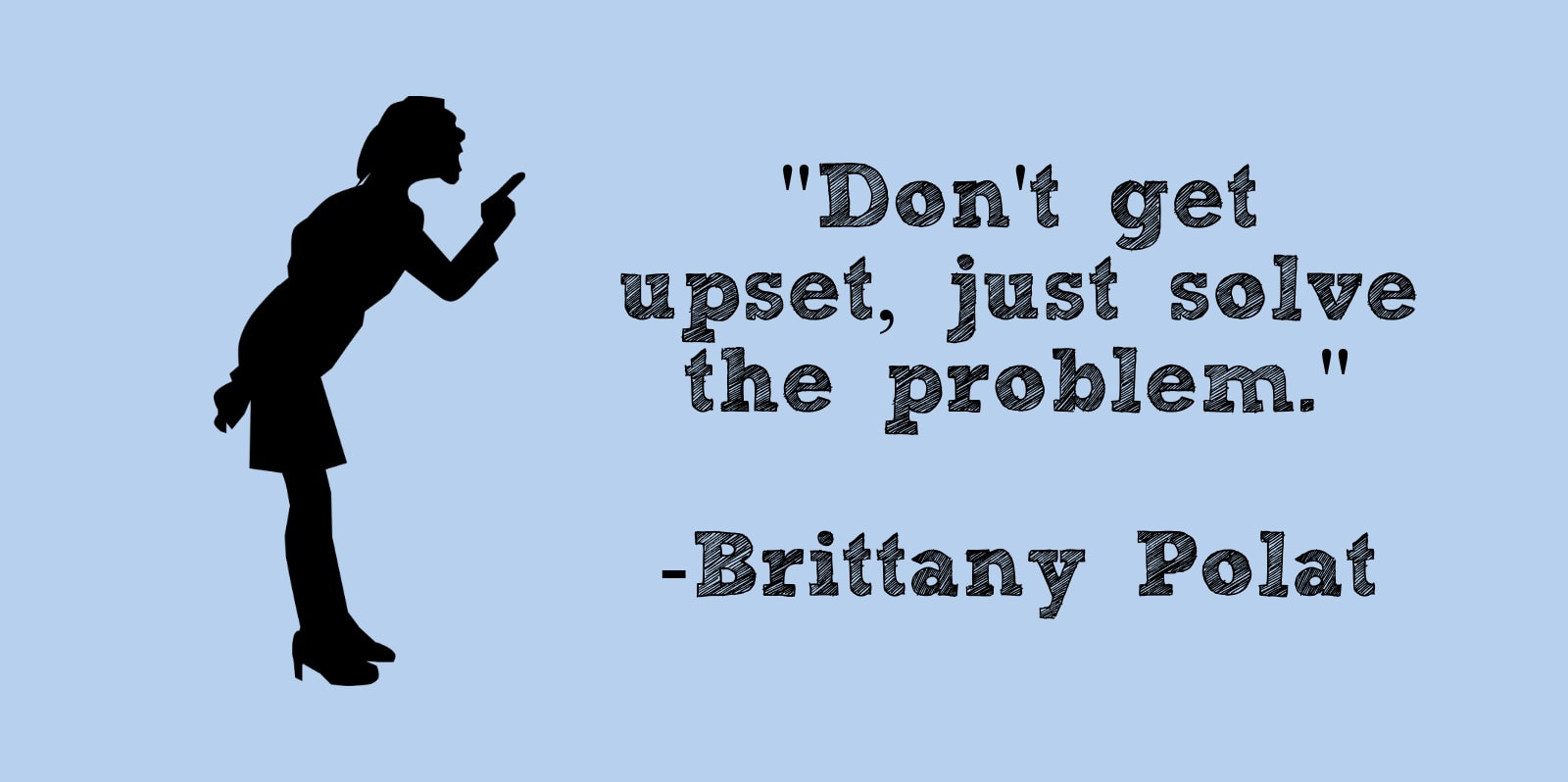
Her mantra for helping kids and parents deal with frustrations is "Don't get upset, just solve the problem." I think this is excellent advice for parents. Brittany expands on this by helping us to re-frame our value judgments in Stoic context. For example, rather than thinking "My kids are fighting, I can't believe I have to deal with this again," we should just drop the value judgement at the end of the sentence. When we look at the situation in a factually oriented way, we think the same thing, "My kids are fighting," but minus the negativity. Then we are better able to deal calmly with the problem at hand. With practice, we can implement this advice over and over to make our lives as parents easier... Most of what we know about ethics is wrong, and unless we get our act together soon, humanity is doomed. That is, according to The Zombies (On Morality), a just released book by Josh Bachynski, which I've had the pleasure of reading, reviewing, and discussing on my YouTube Channel (see the video at the end of the post). Our lack of appropriate ethics is the basis of all of our problems. Essentially we are infected with a virus which sabotages every society that we try.
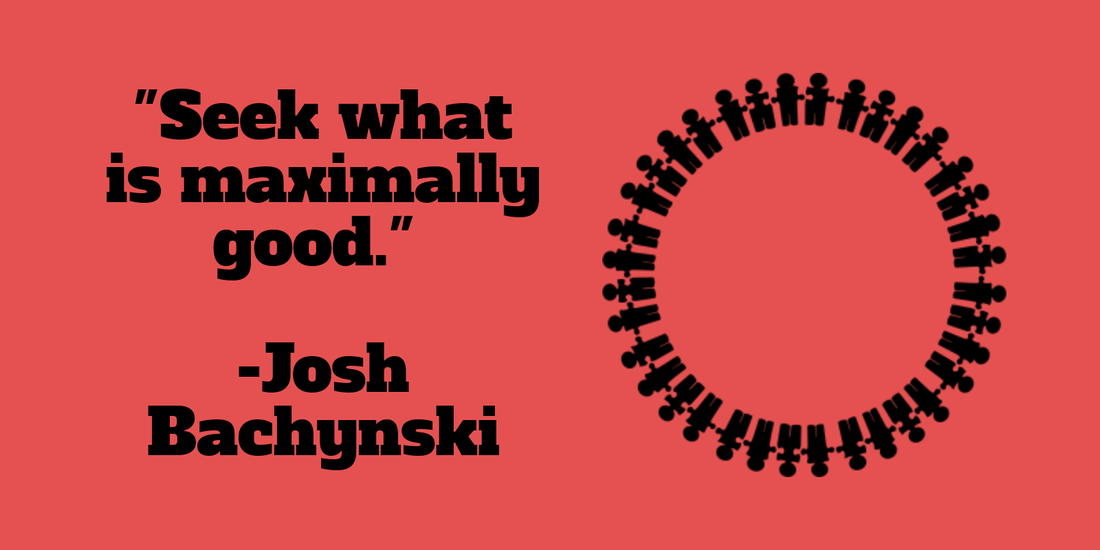
The problem, in Josh's estimation, lies with people imposing what he calls "objective-prescriptive," moral beliefs on others, when doing so may be sub-optimal for them. If the essence of morality is goodness, then any sub-optimality may be immoral for the person imposed upon. His argument is about maximizing what is ideal for each person. Nothing matters but the maximal epitome of what's positive and ideal. To be more precise, he calls his system inter subjective-predictive morality or ISPM for short. ISPM is about giving each person what is morally ideal for them based on what they want, based on fact, rather than offering generalizations about what is right for everyone or what everyone should do, even if it isn't evident. Provided they aren't hurting someone else, there is no self-evident justification from barring someone from their best end good or from living their most valuable life. |
Don't Miss A Post!Sign up to receive updates and special announcements! Thank You For Subscribing to Common Sense Ethics!You have successfully joined my email list. About Me:Thank you for your interest in Common Sense Ethics! I'm Leah, a librarian and author with a background in history and philosophy.
Most Popular Blog Posts:3 Unpopular (But Likely Correct) Opinions According to Cicero Download My Stoic Printables For Tough Days:
Watch Common Sense Ethics On YouTube:
|