
Common Sense Ethics
  • Blog
  • About
  • My Books
  • Parenting Resources
  • Personal Growth Resources
  • Book Summaries
  • Contact Me

Why You Should Create Your Own Culture to Be Happier

10/23/2017

5 Comments

 
Picture
It’s easy to feel overwhelmed by the nonsense bombarding us daily. Sometimes I think that mainstream American culture leaves a lot to be desired. Whenever I get disgusted, I'm reminded of Terrance McKenna's instructions:

“Culture is not your friend. Culture is for other people’s convenience and the convenience of various institutions, churches, companies, tax collection schemes, what have you. Culture insults you. It uses and abuses you. None of us are treated well by culture...
We have to create culture, don’t watch TV, don’t read magazines, don’t even listen to NPR. Create your own roadshow.”  

McKenna is saying that if you don't consciously build your own meaningful culture in your life, it will be determined for you by dominant personalities, media, propaganda, peers, advertising, and all kinds of other capricious influences who have no business being in your head and determining your preferences and actions. 

Life is short, and progress towards virtue is often time consuming and hard won. You should be very selective about what you devote your precious and limited time to. If you want to be happier, cut out expressions of culture that sabotage your happiness and personal growth, and deliberately
 create your own personal culture of beauty and meaning based on your values, rather than on other peoples'.
​

Read More
5 Comments

Wise Advice on Human Flourishing in 10 Terrific Quotes

5/1/2017

5 Comments

 
Picture
This guest post was first published at Freedom and Flourishing by my friend Winton Bates, who curated the following wise advice based on his vast knowledge and life experience: 

The quotes selected for this post are related specifically to individual flourishing or personal development. I will follow this up later with a selection of quotes relating to the social conditions that favour human flourishing.

Rather than selecting the most inspirational quotes I can think of, I have selected quotes that seem to support what I hope is a coherent set of propositions about human flourishing.
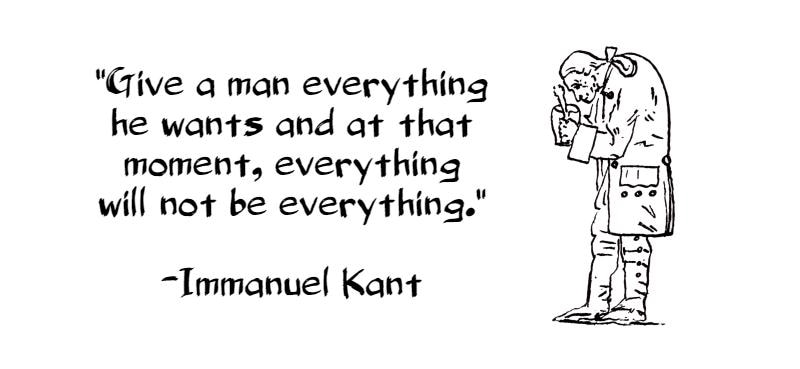
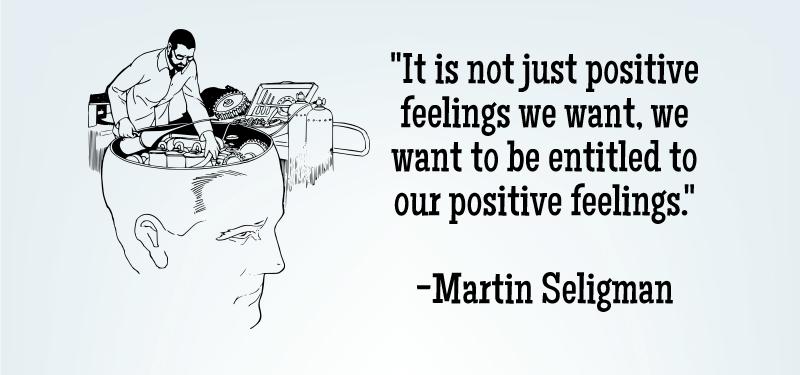
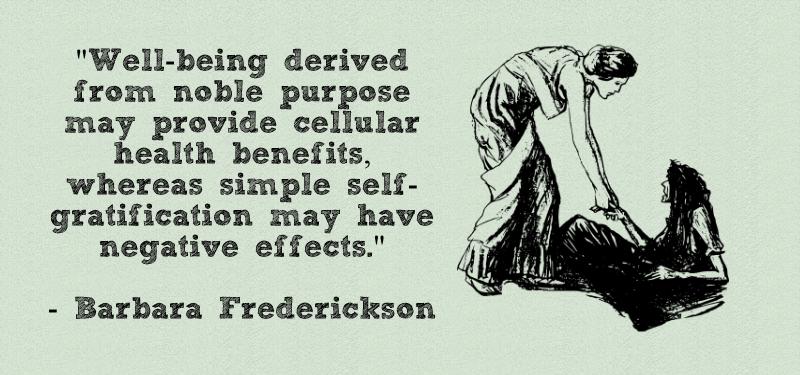
Read More
5 Comments

Stop Doing This if You Want to Be Happy

2/2/2017

3 Comments

 
Picture
Have you ever felt like you would be so much happier as soon as you fulfilled some desire, only to end up unsatisfied soon afterwards? Why is it that getting something we want doesn't always make us consistently happy over the long term? What are we meant for? Merely the experience of pleasure, or something more profound? 

Hedonic adaptation is the observed psychological tendency to revert back to prior levels of happiness soon after experiencing something pleasurable. The psychologists Brickman and Campbell began studying this phenomenon scientifically in the 1970s, calling it the Hedonic Treadmill. Hedonic adaptation accounts for our tendency to overestimate how happy pleasurable experiences will make us, and the fact that we tend to maintain a relatively stable level of happiness regardless of our material circumstances. It also explains our unfortunate human habit of taking what we have for granted.

Even though the Hedonic Treadmill was scientifically observed in recent history, it turns out that Kant possessed a remarkably similar insight into human psychology, simultaneously defining hedonic adaptation and changing the course of one man's life in an impromptu late night meeting in 1789.
​


Read More
3 Comments

Is It Fantasy That a Happy Life is All About Pleasant Experiences?

7/11/2016

3 Comments

 
Picture
A guest post by Winton Bates of Freedom and Flourishing:

​​It seems to me that the view that a happy life is just about pleasant experiences is a fantasy. I’m not saying that it is not desirable to have a life full of pleasant experiences, just that a happy life involves more than that.

In his famous thought experiment, Robert Nozick asked readers to imagine an experience machine that would give them any experience they desired. They would be able to select experiences from a large library and the machine would be pre-programmed to give them those experiences while they spent the rest of their lives floating in a tank (Anarchy, State and Utopia, 1971, pp 42-44).

Would you choose to spend the rest of your life hooked up to such a machine?


Read More
3 Comments

The Ancient Greeks Got Happiness Right: 3 Steps to Eudaimonia

7/2/2016

5 Comments

 
Picture
We all want to be happy. But could it be that we have our understanding of happiness all wrong? The general definition of happiness is philosophically unsophisticated. It pretty much boils down to the ongoing experience of positive emotions and a lack of negative ones. Life is about more than just moving yourself around, spending money and enjoying your next fix. Is our unphilosophical (and perhaps incomplete) understanding of happiness why so many of us are miserable according to mental health statistics?

Is there a missing moral component at the root of happiness? The ancient Greeks definitely thought so, and it turns out that genomic research conducted by Barbara Frederickson, which Winton Bates writes about at his excellent blog Freedom and Flourishing,  indicates that we may be biologically wired for what they called eudaimonia (from daimon, or true nature). Differing from hedonism (pleasure or self gratification), eudaimonia is often translated as flourishing or living well, with a sense of noble purpose, virtue, and connection to others.

​In other words, real happiness is impossible without virtue - or arete in ancient Greek. Arete means excellent character, or reaching your highest human potential. 
Eudaimonia not only protects our physical and mental health at the cellular level, it may lead to a long term, more profound sense of well being. 
So what do we do if we
 want to experience eudaimonia? How do we reach our highest potential? 


There are 3 concrete steps that you can take to be happy in the ancient Greek sense. First, you must acknowledge that virtue is necessary for happiness. Eudaimonia is about more than just feeling good, it is about becoming the best person that you can be. Second, you must do the inner work that is necessary to truly "know yourself," as Socrates said when he quoted the Delphic Oracle. And finally, you must take action and apply your unique talents and gifts in life for the good of yourself and others.

​


Read More
5 Comments

Are You Suffering From Negative Socialization?

1/5/2016

1 Comment

 
Picture
Since antiquity, inquiring minds have been calling into question the effects of being socialized into conformity with dominant cultural ideas or peer groups. Agents of socialization, both negative and positive, often include family, schools, peers, culture, media, and religion. 

According to the Roman Stoic philosopher Musonius Rufus, humans are innately virtuous, but our nature is degraded from childhood by negative socialization.
The dominant political and social environment is corrupting to the soul. Bad habits, unconsidered social norms, and negative views of "reality," that we pick up as we go through life, often impede our personal development.

By the time we reach adulthood, we all have accumulated beliefs that our culture imposes on us, including our views on money, pleasure, leisure, and entertainment. We may view minor inconveniences as a hardship, and fear things that are beyond our control. Even if our parents don't model this behavior, peers, the media, and the the culture at large often do.
Living in society handicaps us in this regard.

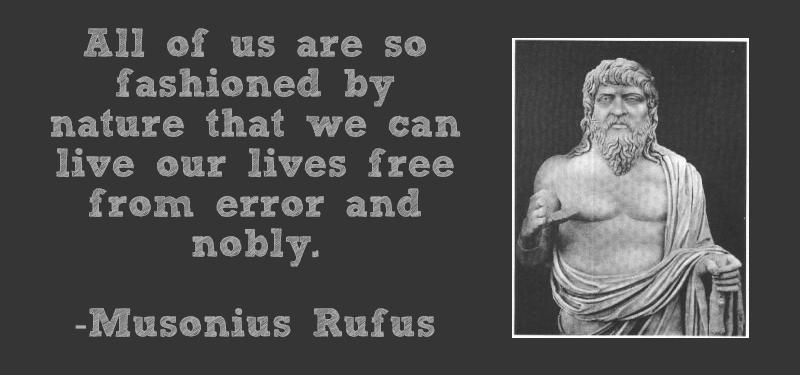
Fortunately, developing a philosophical outlook can correct the effects of negative socialization. Musonius argued that “All of us are so fashioned by nature that we can live our lives free from error and nobly.” [1]


Read More
1 Comment

This Is What Happens If You Are Not Nice to People...Number 3 Will Amaze You

8/5/2014

2 Comments

 
Picture
While it is probably impossible to prevent all interpersonal conflict, many problems can generally be prevented by being “nice,” which is a simplified term for ethical conduct, kindness, and good character. You will have fewer interpersonal problems in your life if you are as mindful as possible of your own behavior, meaning that you don’t thoughtlessly say and do things that harm others.

I’m actually not the most tactful person by nature. But I have learned from direct experience that improving my tact and self control largely leads to freedom from self inflicted interpersonal problems. What does that mean? Well, the more that you consciously govern your behavior, the less you will say and do things that you regret or that ultimately sabotage your relationships and your happiness.

There are steps that you can take to increase your tact in conversations, and control your own behavior. If these steps do not prevent most conflicts, you still have a right to point out the mistakes and limitations of others if their behavior is hurting you. The downside to free will is that people can misuse it to harm others. People have a right to be wrong, just not to do wrong. Which is why it is essential to have strong personal boundaries when dealing with difficult or unethical people in your life. Here’s How: 


Read More
2 Comments

6 Fool-Proof Ways to Create a More Relaxed Mental State

6/7/2014

0 Comments

 
Picture
One reason that I study philosophy is that I’m a somewhat of a high-strung person by nature. I try to apply the lessons in my life.

What I have found is that when you have a relaxed inner life, you generally have a relaxed outer life. To put it another way, you choose to create the types of conditions in your environment which enhance your sense of relaxation and contentment. Even when stressful events happen, you choose to go with the flow and make the most of a bad situation, rather than panicking or dwelling on the negative aspects.

My experiences
living in Hawaii for the past 2 months taught me several important lessons about being more laid back. Let me share what I have learned about creating a more relaxed attitude. Following the six steps listed below will put you firmly on the on the path to a more relaxed mental state.


Read More
0 Comments

7 Behaviors That Lead To Lasting Happiness

4/10/2014

6 Comments

 
Picture
Recently I was posting on a debate forum that I frequent, when another poster asked me if I read Spanish. (I don’t but I’m working on reading Latin). The person’s question really hit home for me, because I realized that by spending time posting on a forum, I was neglecting goals that are more important to me, like learning Latin.

We all do trivial things which take up our time unnecessarily, deplete our energy, steal our focus, or detract from our relationships with loved ones. Wasting time is just one of many behaviors that lead to unhappiness in the long run, when we fail to achieve our goals, or regret the things that we didn’t do. Instead, we should be cultivating these 7 intentional behaviors, which contribute to lasting happiness:


1. Learn From Your Mistakes

Failures and mistakes are ok, as long as you learn from them. You fell in love with the wrong person? It happens. You failed to achieve an important goal? Everyone who succeeds fails first. You made the wrong choice regarding an important decision? At least you came away from the experience more knowledgeable than when you started.

Don’t be afraid of making mistakes. Be afraid of repeating the same mistakes over and over again. When you make a mistake or something goes wrong in your life, ask yourself, what can I learn from this? What does this situation have to teach me?


Read More
6 Comments

The Secret to Happiness: Stoic Gratitude and the Art of Living

1/23/2014

4 Comments

 
Picture
Did you know that research in the field of positive psychology indicates that your level of happiness is at least 40 percent dependent on intentional activities within your control? With practice, you can significantly improve your overall happiness, even if your natural state is one of pessimism. You can work towards maximum stability and happiness in your life by practicing gratitude and the Stoic Art of Living. 
 
Positive psychology focuses on the wellness and happiness aspects of mental health, rather than on mental illness alone. According to Dr. Robert Emmon's book, How Practicing Gratitude Can Make You Happier, psychological research shows that your “happiness quotient,” is about 50 percent dependent on a genetic set-point that you are born with. Some people are naturally more optimistic than others as a result of their set-point. An additional 10 percent of your happiness quotient is determined by external factors and circumstances in your life.

However, the other 40 percent of your happiness quotient is completely within your control, regardless of your genetic set point or external factors. Intentional happiness practices include taking time to count your blessings, displaying positive character traits such as friendliness and kindness, focusing on the present moment, and by keeping a daily gratitude journal where you express joy for all of the good things that happened to you that day.

Interestingly, this is not new information. The Stoic School of philosophy advocated a very similar perspective beginning 2400 years ago in ancient Greece. Many Stoic philosophers, including Zeno, Seneca, Epictetus, and Marcus Aurelius, developed a practical philosophy for increasing happiness and virtue, which they called The Art of Living.

Stoicism is way of life involving constant practice and introspective training, not just a set of philosophical beliefs. Stoics try to live happily and gratefully, regardless of external good fortune. They also aim to take control of their own inner natures, to know themselves, and to root out their destructive emotions in the pursuit of virtue, using a process of introspection or spiritual exercises loosely refered to as Stoic reflective practice.


Read More
4 Comments
Forward>>

    Don't Miss A Post!

    Sign up to receive updates and special announcements!

    Thank You For Subscribing to Common Sense Ethics!

    You have successfully joined my email list. 

    .
    Picture

    About Me:

    Thank you for your interest in Common Sense Ethics! I'm Leah, a librarian and author with a background in history and philosophy.
    ​

    Most Popular Blog Posts:

    3 Unpopular (But Likely Correct) Opinions According to Cicero

    Beauty in Philosophy, Ethics and Art: A Conversation with David Fideler

    5 Ways to Counterbalance an Ugly and Barren Cultural Landscape

    How Propaganda Makes us Psychologically Totalitarian

    5 Things That You Need to be Happy According to Cicero

    5 Wholesome Character Education Books to Read to Your Child

    Why is Politics so Divisive?

    9 Great Critical Thinking Books for Children and Teens

    Why You Should Create Your Own Culture to Be Happier

    How to Make Yourself Immune to Propaganda

    ​The 10 Best Philosophy Books For Beginners

    The 13 Types of Modern Stoics...Which One Are You?

    How to be a Badass According to Cicero

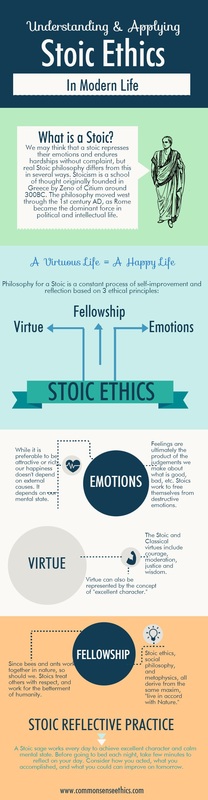
    Quick Guide: Understanding and Applying Stoic Ethics in Modern Life

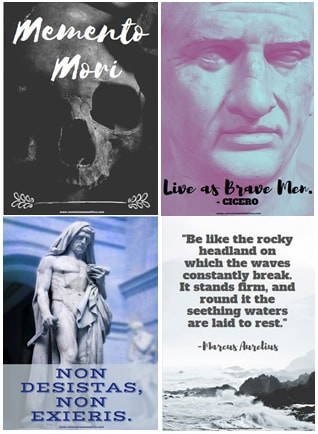
    Download My Stoic Printables For Tough Days:

    Picture

    Watch Common Sense Ethics On YouTube:


    Support CSE:

    Picture
    Picture
    Buy Me a Coffee at ko-fi.com


    Topics:

    All
    According To Cicero Series
    Aesthetics
    AI Ethics
    Alasdair Macintyre
    Albert Einstein
    American Revolution
    Ancient Greece
    Ancient Rome
    Anger
    Antiauthoritarianism
    Applied Philosophy
    Aristotle
    Assertiveness
    Beauty
    Book Reviews
    Books And Reading
    Buddhism
    Carl Jung
    Cause And Effect
    Character Flaws
    Christianity
    Cicero
    Classical Education
    Cognitive Bias
    Consequence Based Ethics
    Consumerism
    Cosmology
    Covert Manipulation
    Critical Thinking
    Culture
    Cynicism
    Death
    Descartes
    Destructive Behavior
    Economics
    Edmund Burke
    Education
    Egalitarianism
    Emotions
    Environmentalism
    Epictetus
    Ethical Objectivism
    Family
    Fortitude
    Francis-bacon
    Freedom
    Freedom Of Speech
    Free Speech
    George-r-r-martin
    George-r-r-martin
    God
    Golden Rule
    Good Character
    Government
    Gratitude
    Grief
    Happiness
    Heraclitus
    History
    Immanuel Kant
    Individual Rights
    Information Literacy
    Inner Life
    Integrity
    Introspection
    Intuition
    Iron Law Of Oligarchy
    Jaques Ellul
    John Locke
    John Sellars
    John Stuart Mill
    Jules Evans
    Karma
    Left-right Brain Balance
    Left-right Political Spectrum
    Leisure
    Liberal Democracy
    Literature
    Logic
    Marcus Aurelius
    Marriage
    Marx
    Mastering Emotion
    Media
    Metaethics
    Mindfullness
    Moderation/temperance
    Modern Stoicism
    Moral Relativism
    Moral Universalism
    Mortality
    Movies
    Musonius Rufus
    Musonius-rufus
    Natural Law
    Natural Rights
    Natural World
    Nature
    Negative Freedom
    Negative-rights
    Neoplatonism
    Non Aggression
    Normative Ethics
    Normative-ethics
    Objectivismsubjectivism
    Oligarchy
    Parenting
    Perennialism
    Personal Development
    Philosophy For Beginners
    Pierre Hadot
    Plato
    Politics
    Propaganda
    Psychology
    Pythagoreanism
    Relaxed Mental State
    Renaissance
    Responsibility
    Rhetoric
    Right Vs. Wrong Actions
    Robert Nozik
    Roger Scruton
    Self Defense
    Self Discipline
    Seneca
    Sexuality
    Simple Living
    Socrates
    Socratic Method
    Stoicism
    Stoic Meditation
    Stoic Virtues
    Television
    The Shadow
    Thomas Hobbes
    Traditionalism
    Trivium
    Utilitarianism
    Videos
    Violence
    Virtue Ethics
    War
    Work

    Archives:

    March 2026
    February 2026
    January 2026
    November 2025
    October 2025
    September 2025
    July 2025
    May 2025
    April 2025
    April 2024
    March 2024
    February 2024
    January 2024
    December 2023
    November 2023
    October 2023
    September 2023
    August 2023
    July 2023
    June 2023
    May 2023
    April 2023
    March 2023
    February 2023
    January 2023
    December 2022
    November 2022
    October 2022
    September 2022
    August 2022
    July 2022
    June 2022
    May 2022
    April 2022
    March 2022
    February 2022
    January 2022
    December 2021
    November 2021
    October 2021
    September 2021
    August 2021
    July 2021
    June 2021
    May 2021
    April 2021
    March 2021
    February 2021
    January 2021
    December 2020
    November 2020
    October 2020
    September 2020
    August 2020
    July 2020
    June 2020
    May 2020
    April 2020
    March 2020
    February 2020
    January 2020
    December 2019
    November 2019
    October 2019
    September 2019
    August 2019
    July 2019
    June 2019
    May 2019
    April 2019
    March 2019
    February 2019
    January 2019
    December 2018
    November 2018
    October 2018
    September 2018
    August 2018
    July 2018
    June 2018
    May 2018
    April 2018
    March 2018
    February 2018
    January 2018
    December 2017
    November 2017
    October 2017
    September 2017
    August 2017
    July 2017
    June 2017
    May 2017
    April 2017
    March 2017
    February 2017
    January 2017
    December 2016
    November 2016
    October 2016
    September 2016
    August 2016
    July 2016
    June 2016
    May 2016
    April 2016
    March 2016
    February 2016
    January 2016
    December 2015
    November 2015
    October 2015
    September 2015
    September 2014
    August 2014
    June 2014
    May 2014
    April 2014
    March 2014
    February 2014
    January 2014
    December 2013
    November 2013
    September 2013
    August 2013


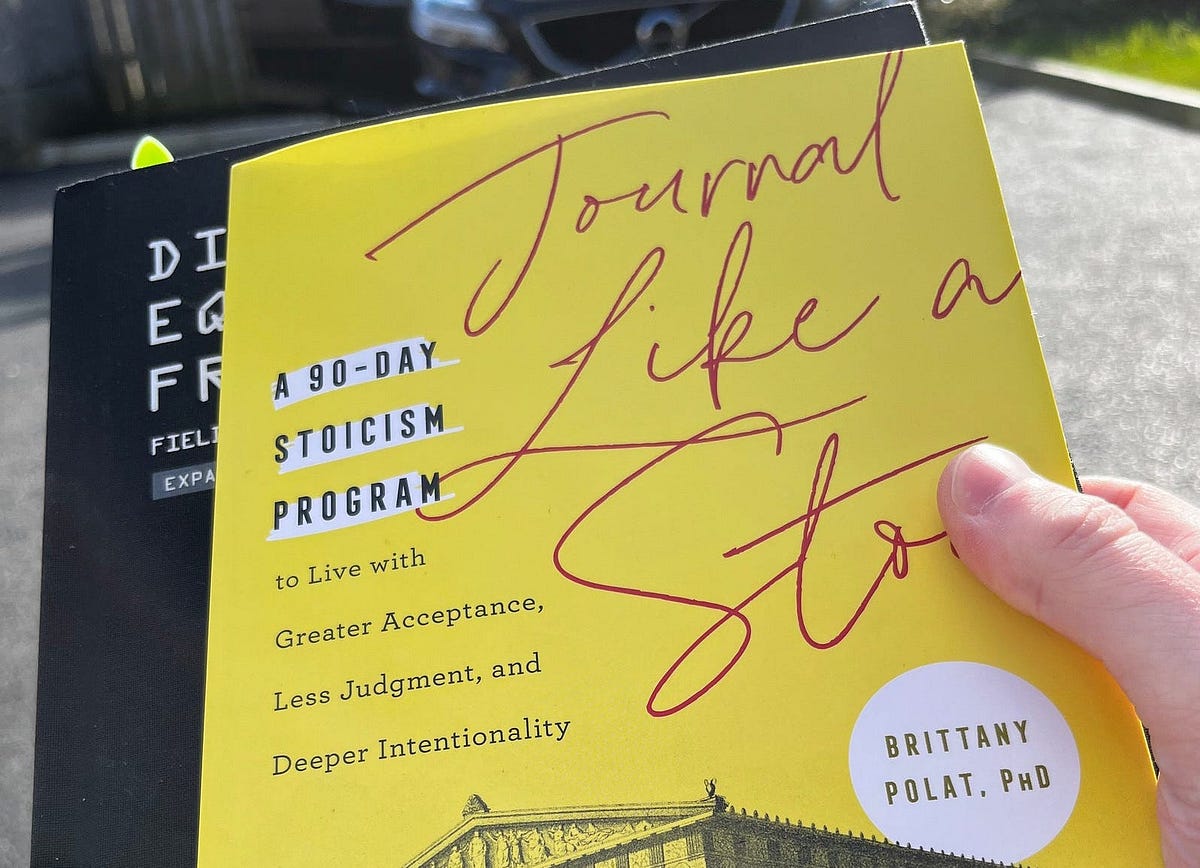
    ​Book of the Month: Journal Like a Stoic by Brittany Polat

    Picture


    ​Personal Growth Resources:

    Picture
    Use this in-depth questionnaire to learn more about your faults and subconscious motivations.


    Understanding and Applying Stoic Ethics In Modern Life:

    Picture


    ​Follow Common Sense Ethics on Pinterest:

    Picture


    ​Join the Stoic Parents Facebook Group:

    Picture
Powered by Create your own unique website with customizable templates.